
Insights
You are not paying for the frames. You are paying for the setup
The instinct is to order fewer deliverables to keep a shoot affordable. It usually costs more. The expensive part of a production day is standing it up, not using it.
When a budget gets tight, almost everyone cuts the same way. Fewer deliverables. One film instead of two, no stills, drop the behind-the-scenes. It feels responsible: you are asking for less, so it should cost less.
It rarely works out that way, because you cut the cheap part and kept the expensive one. The expensive part of a production day is standing it up. The crew, the travel, the lights, the permission to be in the room, the hour it takes to make the first frame look right. Once all of that is standing, the second deliverable costs a fraction of the first. What costs full price is coming back next month to build the whole thing again for the thing you cut.
So the arithmetic runs backwards from how it feels. The more you ask for on the day, the less each individual asset costs you. The way to spend less is not to order less: it is to order everything that belongs in the same light at the same time.
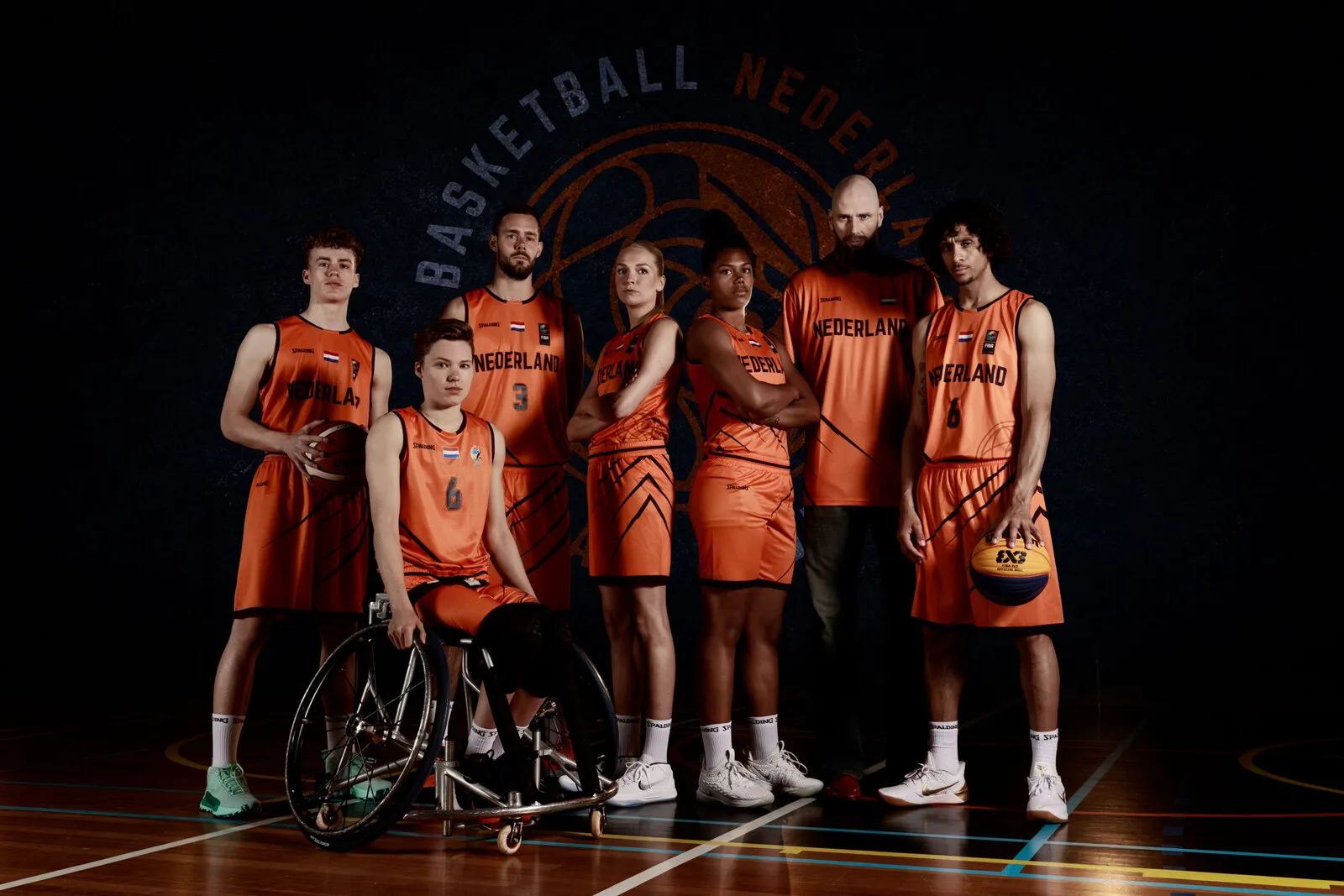
Basketball Nederland is what that looks like in practice. One studio day on a sports hall floor produced the Ready to Roar promo and a complete portrait set: men, women, 3x3 and wheelchair, everyone through the same frame. One lighting setup, one backdrop, one afternoon. Booked as four separate jobs it would have been four call sheets, four crews and four slightly different looks. Booked as one day it is a federation that suddenly has a season’s worth of imagery that all belongs together.
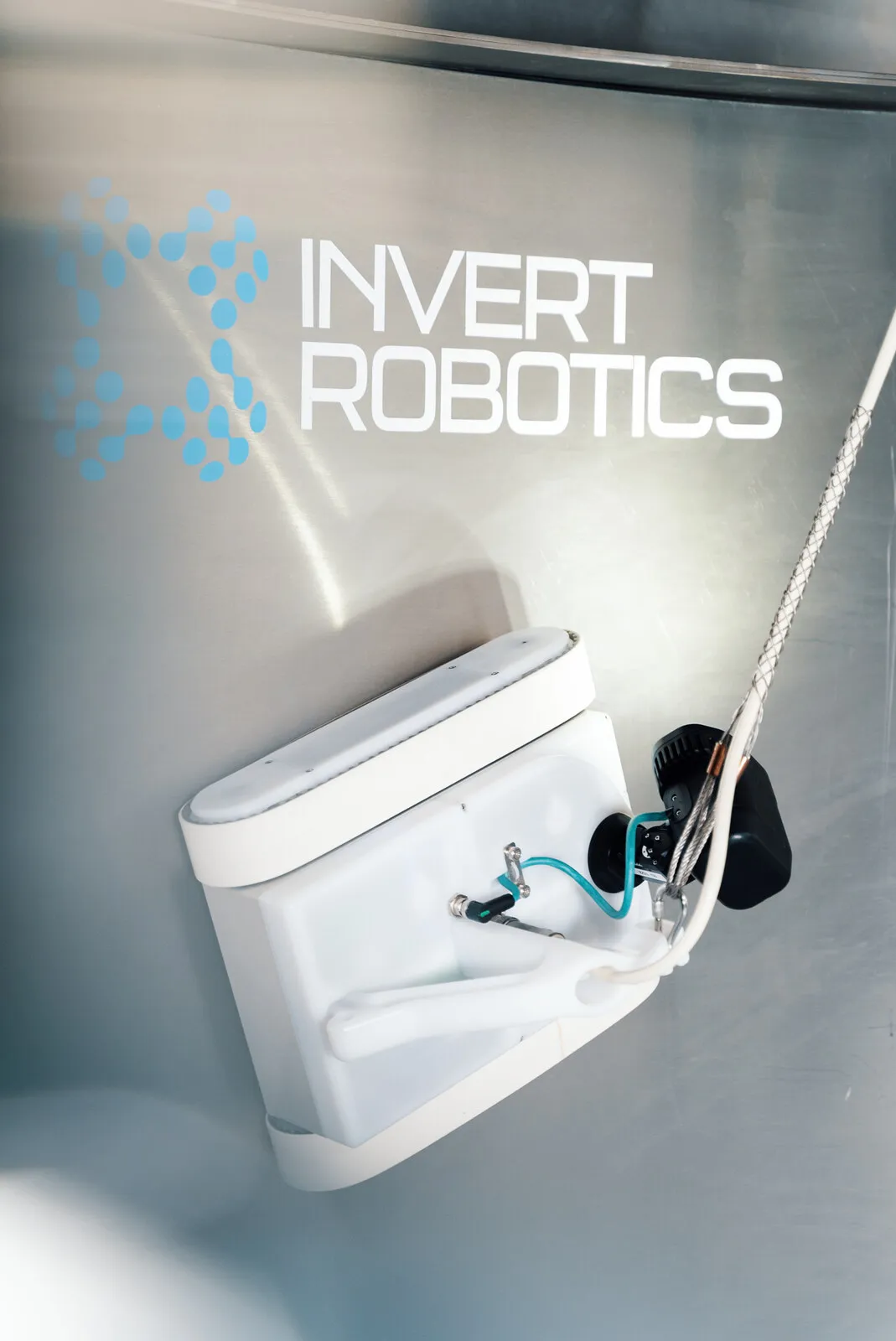
Invert Robotics shows the other half of the argument. The robot was shot clean rather than on the factory floor, and that one clean set now runs the website, the sales deck and the trade-show stand. Nobody had to commission a “website shoot” and then a “trade-show shoot”. The setup was built once and spent three times.
The one thing worth saying about this: it only works if you know what you need before the truck arrives. Deciding on the day that you also want stills is not the same as planning for them, because the setup that flatters a moving camera is not always the one that holds a still frame. The saving comes from the planning, not from the improvising.
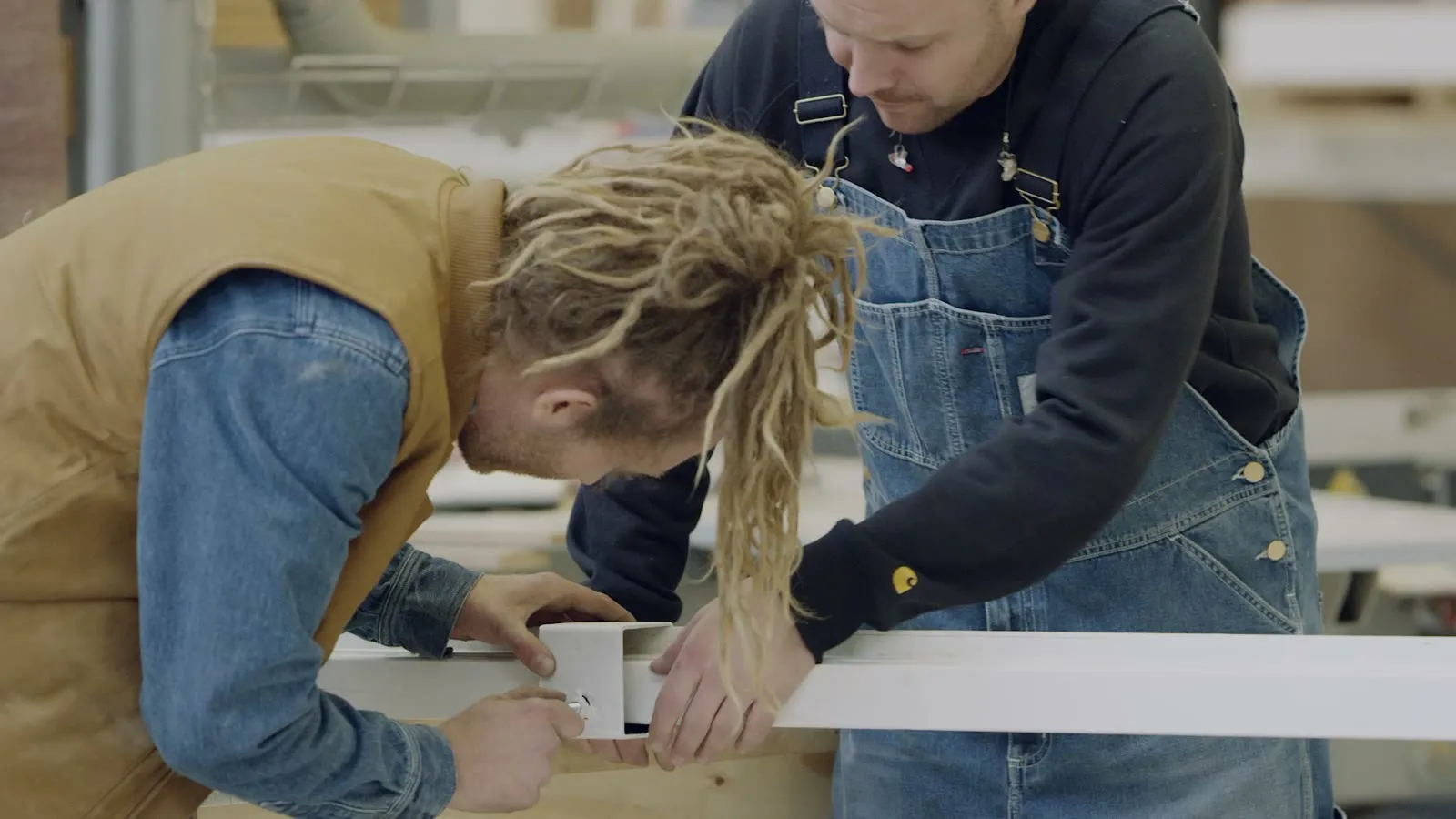
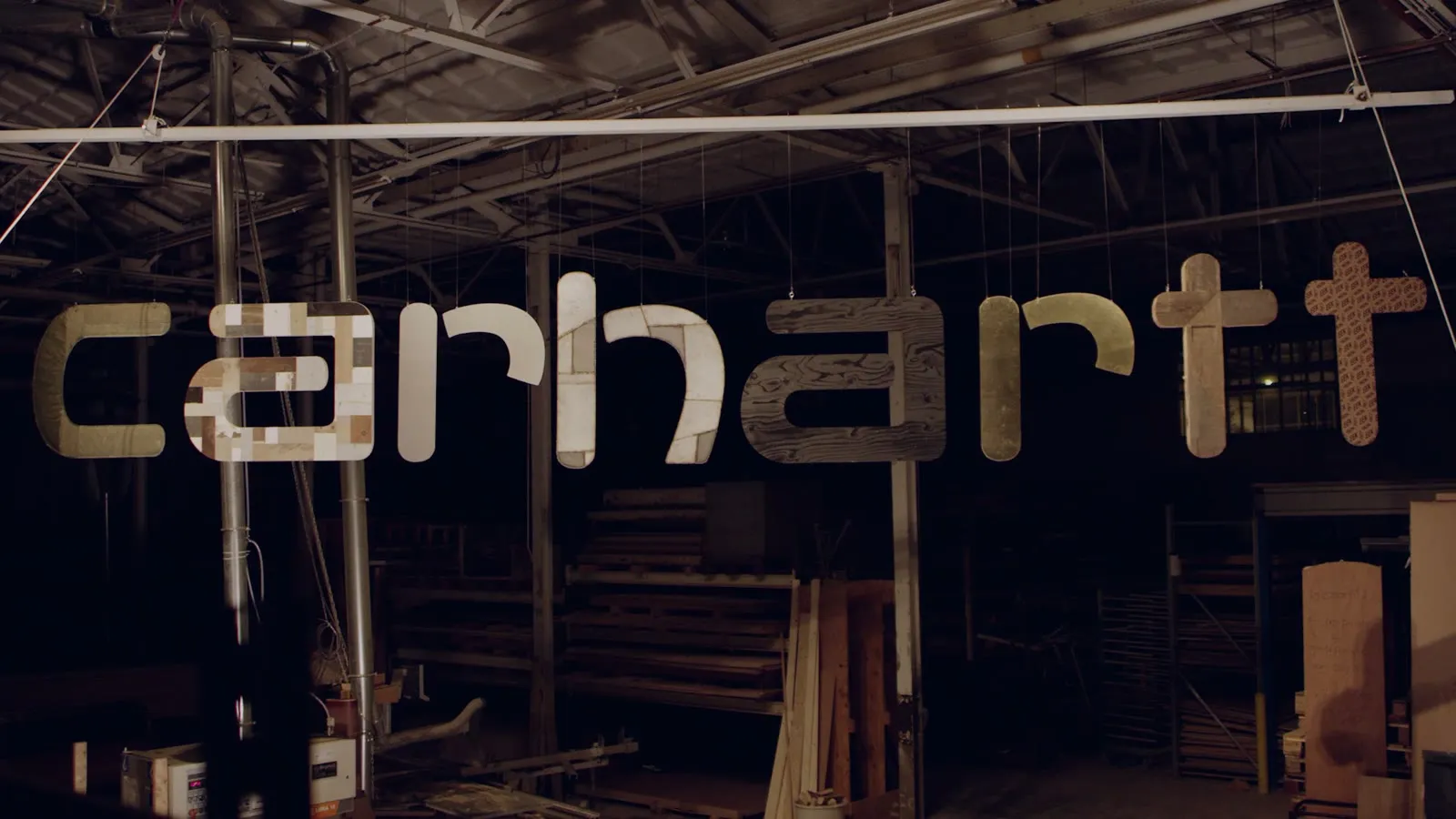
Carhartt WIP at Piet Hein Eek had no studio, no set and no models. One day on a working factory floor, filmed around machines that never stopped, and it came back with the film, the stills and the behind-the-scenes. The day was the asset. Everything else was a decision about what to point at.
So when the budget conversation starts, resist the instinct to hand us a shorter list. Bring the longer one and let us tell you what fits in a day. A studio that is honest with you will cut the list themselves if it does not fit, and you will have lost nothing by asking.
The day is the cost. Everything you shoot in it is close to free, and everything you did not is next year’s invoice.
Related cases
Video
Basketball Nederland
One studio day on a sports hall floor: a promo film and a full portrait set covering the national teams, men, women, 3x3 and wheelchair, shot in the same light.
Video
Invert Robotics
A climbing robot that inspects the inside of tanks and aircraft so a person does not have to. Two films and a full product set, shot to make an industrial tool look like a precision instrument.
Video
Carhartt WIP at Piet Hein Eek
A workwear brand in a Dutch furniture maker's factory. We filmed the clothes where they came from: on welders, sprayers and woodworkers, doing a normal day's work.
Let's work together
Fifteen minutes, no deck. Bring the product and we'll tell you honestly what we'd do with it.
← All insights